
For many homeowners in Rancho Mirage, retirement is a time to enjoy the lifestyle they’ve worked hard to build. However, managing expenses, maintaining financial flexibility, and planning for the future can present challenges. A Reverse Mortgage In Rancho Mirage, CA may provide a valuable solution for eligible homeowners who want to access a portion of their home’s equity while continuing to live in the property.
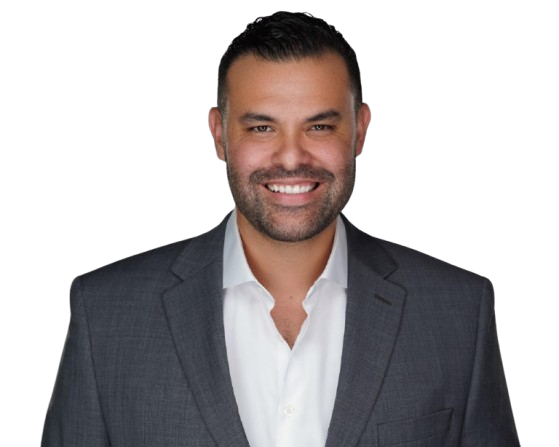
Michael Glenner is dedicated to helping homeowners understand their options and make informed decisions about reverse mortgage solutions. With extensive knowledge of mortgage lending and a commitment to personalized service, Michael Glenner helps clients explore whether a reverse mortgage aligns with their financial goals, retirement plans, and long-term needs.
Whether you’re looking to supplement retirement income, reduce financial stress, pay off an existing mortgage, fund home improvements, or create greater financial flexibility, understanding how reverse mortgages work is the first step toward making a confident decision.
A reverse mortgage is a loan that allows homeowners aged 62 and older to convert a portion of their home equity into usable cash, all without being required to make monthly mortgage payments. Instead of you paying the lender each month like a traditional mortgage, the loan balance grows over time as it accrues interest and fees, and it isn’t repaid until you sell the home, move out permanently, or pass away.
The most common type of reverse mortgage is the Home Equity Conversion Mortgage, or HECM, which is insured by the Federal Housing Administration. Because it’s federally insured, the HECM program comes with consumer protections that are worth understanding, including a non-recourse feature that means neither you nor your heirs will ever owe more than the home is worth at the time the loan becomes due, even if the loan balance has grown larger than the home’s value.
You continue to hold title to your home with a reverse mortgage, just as you would with any other type of mortgage. The difference is simply in how the loan is structured: rather than paying down a balance every month, you’re accessing the equity you’ve already built, on your own schedule, while continuing to live in the home you know.
Rancho Mirage has one of the more distinctive housing markets in the Coachella Valley. This is a city shaped by retirement living, with golf course estates, gated country club communities, and a population that skews heavily toward homeowners who are 62 and older. Many longtime Rancho Mirage residents have watched their home values climb significantly over the years, which means a lot of equity is sitting untapped in homes throughout neighborhoods like Mission Hills, Tamarisk, Thunderbird Heights, and The Springs Country Club.
For retirees living on a fixed income, that equity can feel locked away unless they sell the home, which most people would rather avoid, especially when they’ve built their lives around the desert lifestyle, their country club membership, their proximity to Eisenhower Health, and their community of friends and neighbors. A reverse mortgage offers a way to access that equity while staying right where you are.
It’s also worth mentioning a nuance that matters in a community like Rancho Mirage, where many homes serve as seasonal or part-time residences for snowbirds who split their time between the desert and another home elsewhere. Reverse mortgages are only available on a borrower’s primary residence, meaning the home where you live for the majority of the year. If your Rancho Mirage property is a part-time vacation home rather than your main residence, it likely wouldn’t qualify, and that’s an important distinction to sort out early in the conversation.
Understanding the mechanics of a reverse mortgage helps take the mystery out of the process. Here’s the simplified version.
When you take out a reverse mortgage, the lender allows you to draw on a portion of your home’s equity, either as a lump sum, a line of credit, scheduled monthly payments, or some combination of these, depending on the program and your preferences. As you draw funds and as interest and fees accrue over time, the loan balance grows. You’re not required to make monthly payments toward that balance, though you’re always welcome to make voluntary payments if you’d like to slow the balance’s growth.
What you are still responsible for, throughout the life of the loan, are your property taxes, homeowners insurance, any HOA dues, and basic home maintenance. These ongoing obligations are part of what’s known as the financial assessment lenders review before approving a reverse mortgage, since staying current on them is essential to keeping the loan in good standing.
The loan becomes due when you sell the home, permanently move out, or pass away. At that point, the home is typically sold to repay the loan balance, and any remaining equity belongs to you or your heirs. Because the HECM program is non-recourse, if the loan balance happens to exceed the home’s value at that time, neither you nor your estate is personally responsible for the difference; the FHA insurance covers that gap.
Not every reverse mortgage looks the same, and choosing the right structure depends a lot on your home’s value and your goals.
HECM (Home Equity Conversion Mortgage). This is the FHA-insured reverse mortgage most homeowners are referring to when they ask about this type of loan. It comes with federally regulated borrower protections, a required counseling session, and flexible disbursement options.
Proprietary or jumbo reverse mortgages. Given the number of higher-value estates throughout Rancho Mirage’s country club communities, this option comes up often. Proprietary reverse mortgages are designed for homes valued above the FHA’s lending limit and are offered through private lenders rather than being FHA-insured. They can allow homeowners with substantial home equity to access a larger portion of that value than a standard HECM would permit.
HECM for Purchase. This program allows homeowners 62 and older to use reverse mortgage financing to purchase a new primary residence, combining a down payment with reverse mortgage proceeds instead of taking out a traditional purchase mortgage. This is particularly relevant for retirees relocating to Rancho Mirage to downsize, move closer to family, or settle into a community better suited to their retirement lifestyle.
While every situation is unique, reverse mortgage eligibility generally comes down to a handful of core requirements.
One of the most appealing aspects of a reverse mortgage is the flexibility in how you use the funds. There’s no requirement that the money go toward any specific purpose, which means Rancho Mirage homeowners use reverse mortgage proceeds in a wide variety of ways.
Many retirees use the funds to supplement a fixed retirement income, covering everyday living expenses without having to draw down other investments during a down market. Others use a reverse mortgage to pay off an existing mortgage entirely, eliminating a monthly payment and freeing up cash flow for the rest of retirement.
It’s also common to see proceeds used for home improvements, particularly aging-in-place modifications like updated bathrooms, wider doorways, or improved accessibility, allowing homeowners to stay comfortably in their Rancho Mirage home for as long as possible. Healthcare and long-term care costs are another frequent use, especially given the proximity many Rancho Mirage residents have to Eisenhower Health and the broader Coachella Valley medical community.
Some homeowners simply set up a reverse mortgage line of credit as a financial safety net, drawing on it only when needed, while the unused portion of the credit line has the potential to grow over time. Others use the funds for travel, helping family members, or pursuing the kind of retirement lifestyle that drew them to the desert in the first place.
There’s a lot of misinformation floating around about reverse mortgages, so let’s clear up a few of the most common misconceptions.
“The bank will own my home.” This isn’t true. You retain title to your home throughout the life of the loan, just as you would with a traditional mortgage. The lender places a lien on the property, but ownership stays with you.
“My heirs will inherit my debt.” Reverse mortgages are non-recourse loans, meaning your heirs will never owe more than the home is worth when the loan becomes due. If there’s equity remaining after the loan is repaid, it passes to your heirs. If the loan balance exceeds the home’s value, FHA insurance covers the difference.
“I could lose my home if I take out a reverse mortgage.” As long as you keep up with property taxes, homeowners insurance, HOA dues, basic maintenance, and continue living in the home as your primary residence, you maintain the same protections you’d have with any mortgage. Defaulting on those ongoing obligations, just like with a conventional mortgage, is what could put a home at risk, not the reverse mortgage itself.
“Reverse mortgages are a last resort for homeowners in financial trouble.” In reality, many financial planners now view reverse mortgages as a legitimate retirement planning tool, useful for managing cash flow, delaying withdrawals from investment accounts during market downturns, or simply creating more flexibility in retirement, regardless of whether someone is in financial distress.
It’s worth taking a moment to appreciate why Rancho Mirage has become such a magnet for retirees, because it explains why reverse mortgages have found such a natural home here. The city offers a combination of desert sunshine, championship golf courses, and a calm, resort-style pace of life that’s hard to match. Communities like Mission Hills Country Club, Tamarisk Country Club, The Springs Country Club, and Thunderbird Heights have long attracted homeowners looking for an elevated retirement lifestyle, and that demand has helped drive consistent appreciation in local home values over time.
Healthcare access plays a major role too. Eisenhower Health, one of the region’s most respected medical campuses, sits right in Rancho Mirage, giving residents peace of mind about aging in place with quality care nearby. The River at Rancho Mirage adds a walkable hub of shopping, dining, and entertainment, while the broader Coachella Valley, including neighboring Palm Springs, Palm Desert, Indian Wells, and La Quinta, offers even more amenities, culture, and seasonal events that retirees enjoy throughout the year.
All of this contributes to a community where homeowners have both strong reasons to stay in their homes and substantial home equity built up after years of desert real estate appreciation. That’s precisely the combination that makes reverse mortgages such a relevant financial tool for so many Rancho Mirage households.
Here’s what the journey typically looks like when we work together on a reverse mortgage.
I stay involved with you through every one of these steps, answering questions and making sure nothing about the process feels confusing or rushed.
Every homeowner’s story is a little different, but a handful of situations come up again and again among Rancho Mirage retirees considering this kind of financing.
Eliminating an existing mortgage payment. Plenty of homeowners come to me still carrying a mortgage balance well into retirement. Using reverse mortgage proceeds to pay that balance off and remove the monthly payment entirely is one of the most common and most impactful uses of this loan.
Bridging through a market downturn. Retirees living off investment portfolios don’t want to sell assets at a loss during a down market just to cover living expenses. A reverse mortgage line of credit can serve as a buffer, letting other investments recover before being drawn on.
Funding home modifications for aging in place. Many longtime Rancho Mirage homeowners want to stay in the home they’ve lived in for years, even as mobility or health needs change. Reverse mortgage proceeds are frequently used for accessibility upgrades, from bathroom renovations to single-level living modifications, so the home keeps working for them long-term.
Supporting a surviving spouse. When one spouse is the sole borrower on a reverse mortgage and the other is younger than 62, careful structuring matters so the surviving spouse can remain in the home under the right protections. This is a conversation I take seriously with every couple I work with.
Downsizing into Rancho Mirage through a HECM for Purchase. Some retirees are relocating from out of state or from a larger home elsewhere in California, looking to settle into a more manageable property in the desert. A HECM for Purchase allows them to buy their new Rancho Mirage home using a combination of a down payment and reverse mortgage proceeds, rather than taking on a traditional purchase mortgage during retirement.
Coordinating with a trust or estate plan. Many Rancho Mirage homeowners hold their property in a revocable living trust as part of their broader estate planning. Reverse mortgages can typically be structured to work alongside this kind of trust ownership, though it’s important to confirm the specific trust details align with program requirements before moving forward.

Choosing the right professional for a Reverse Mortgage in Rancho Mirage, CA is an important part of achieving your retirement and financial goals. Michael Glenner understands that every homeowner’s situation is unique, especially in Rancho Mirage where many residents own luxury properties, country club homes, or have specific estate and retirement planning needs. Rather than offering a generic solution, he takes the time to understand your objectives and explain your options clearly. Whether you’re looking to access home equity, improve cash flow, or create greater financial flexibility, Michael provides honest guidance and personalized support throughout the process, helping you make informed decisions with confidence.
Michael Glenner works with multiple reverse mortgage lending sources, allowing him to explore a range of financing solutions tailored to your needs. From traditional HECM programs to proprietary reverse mortgage options for higher-value homes, he helps identify the most suitable structure based on your goals. His knowledge of the Rancho Mirage and Coachella Valley housing market ensures recommendations that align with local property values, residency requirements, and long-term retirement strategies.




If you’re a Rancho Mirage homeowner exploring whether a reverse mortgage fits into your retirement plans, I’d welcome the chance to walk through your specific situation together. There’s no pressure and no obligation, just a straightforward conversation about your home, your goals, and whether this kind of financing makes sense for you. Michael Glenner Reverse Mortgage Specialist Serving Rancho Mirage, Palm Desert, Palm Springs, Indian Wells, La Quinta, and the greater Coachella Valley. Reach out today, and let’s talk about how your Rancho Mirage home equity can work for you in retirement.
Choosing the right mortgage professional directly impacts your financing experience, approval success, and long-term financial outcome. Michael Glenner of Contempo Lending provides personalized mortgage solutions tailored to each client’s financial profile, property goals, and timeline. Rather than offering one-size-fits-all lending, every loan strategy is carefully structured to align with underwriting standards while maximizing affordability and long-term stability.
Precision Pre-Approvals – Thorough income, credit, and asset analysis upfront to strengthen offers and reduce underwriting surprises.
Program Versatility – Access to VA, FHA, Conventional, Jumbo, Non-QM, HELOC, and refinance options tailored to complex financial profiles.
Transparent Communication – Clear rate explanations, fee breakdowns, and consistent updates from application through closing.
Efficient Closings – Proactive documentation management and lender coordination to minimize delays and meet contract timelines.
Choosing the right mortgage partner can make all the difference in your homeownership journey. At Rapid Closing, we combine speed, expertise, and personalized care to deliver financing solutions that are tailored to your goals. Whether you’re a first-time home buyer, refinancing, or exploring specialized programs, our team is dedicated to making the process smooth, transparent, and stress-free. With Rapid Closing, you’re not just getting a loan—you’re gaining a trusted partner who stands by you every step of the way.
Fast & Reliable Closings – Streamlined processes that save you time and stress.
Wide Range of Loan Programs – From FHA and VA to DSCR, Jumbo, and USDA loans.
Personalized Guidance – Clear, step-by-step support with dedicated loan specialists.
Flexible Solutions – Options designed for first-time buyers, investors, and unique situations.
Down payment requirements vary by loan program. FHA loans may require as little as 3.5%, Conventional loans can start at 3% depending on qualifications, VA and USDA loans may offer zero-down options for eligible borrowers, and Jumbo loans typically require higher down payments. The exact amount depends on credit profile, income, and property type.
Minimum credit score requirements vary by program. FHA loans are generally more flexible, while Conventional and Jumbo loans typically require higher scores. Non-QM programs may offer alternative qualification pathways for borrowers with unique financial circumstances. A full credit review determines the most suitable option.
On average, the mortgage process takes 21 to 30 days from application to closing, depending on loan type, appraisal timelines, and documentation responsiveness. Proactive pre-approval and organized financial documentation can significantly streamline the process.
Yes. Self-employed borrowers can qualify using alternative documentation such as bank statements, profit and loss statements, or asset-based calculations. Specialized programs are designed to accurately reflect business income while meeting lender guidelines.
Refinancing may be beneficial if you can secure a lower interest rate, reduce monthly payments, shorten your loan term, or access home equity. A detailed cost-benefit analysis helps determine whether refinancing aligns with your long-term financial goals.
To qualify, borrowers must be at least 62 years old, own the home outright or have a low mortgage balance, and occupy the home as their primary residence. Property eligibility and appraisal requirements are also part of the process. Michael guides clients through the documentation, appraisal, and counseling requirements, ensuring smooth processing and compliance with federal regulations.





1800 E. Tahquitz Canyon Way Ste #200 Palm Springs, CA 92262
Licensing
Certified Mortgage Planning Specialist
CA Bureau of Real Estate License 01827390
NMLS# 31789
Richard Thomas Ellis – Pilgrim Mortgage
Corporate Address: 8900 Business Park Dr. Austin, TX 78759
© 2026, Michael Glenner, All Rights Reserved